
TBH Medical is a direct primary care (DPC) provider in Colorado Springs, CO. Aja Hardesty, MSN, FNP-BC, AGACNP-BC, is a double board-certified Nurse Practitioner in Colorado Springs with 15+ years of emergency room, urgent care, and primary care experience. With direct primary care, you skip the hassles of insurance and pay a low-cost monthly membership fee to have faster and more personalized access to essential primary care services – Same-Day or Next-Day Appointments – No Copays. No Deductibles. No Surprise Bills – Clear Upfront Pricing and Great Personalized Care!
Direct Primary Care is a great option if you don't currently have medical coverage or wish to pair it with a high-deductible plan or a military plan. And you'll definitely enjoy the much shorter wait times to be seen!
We want your suturing to be as simple and quick as possible for you.
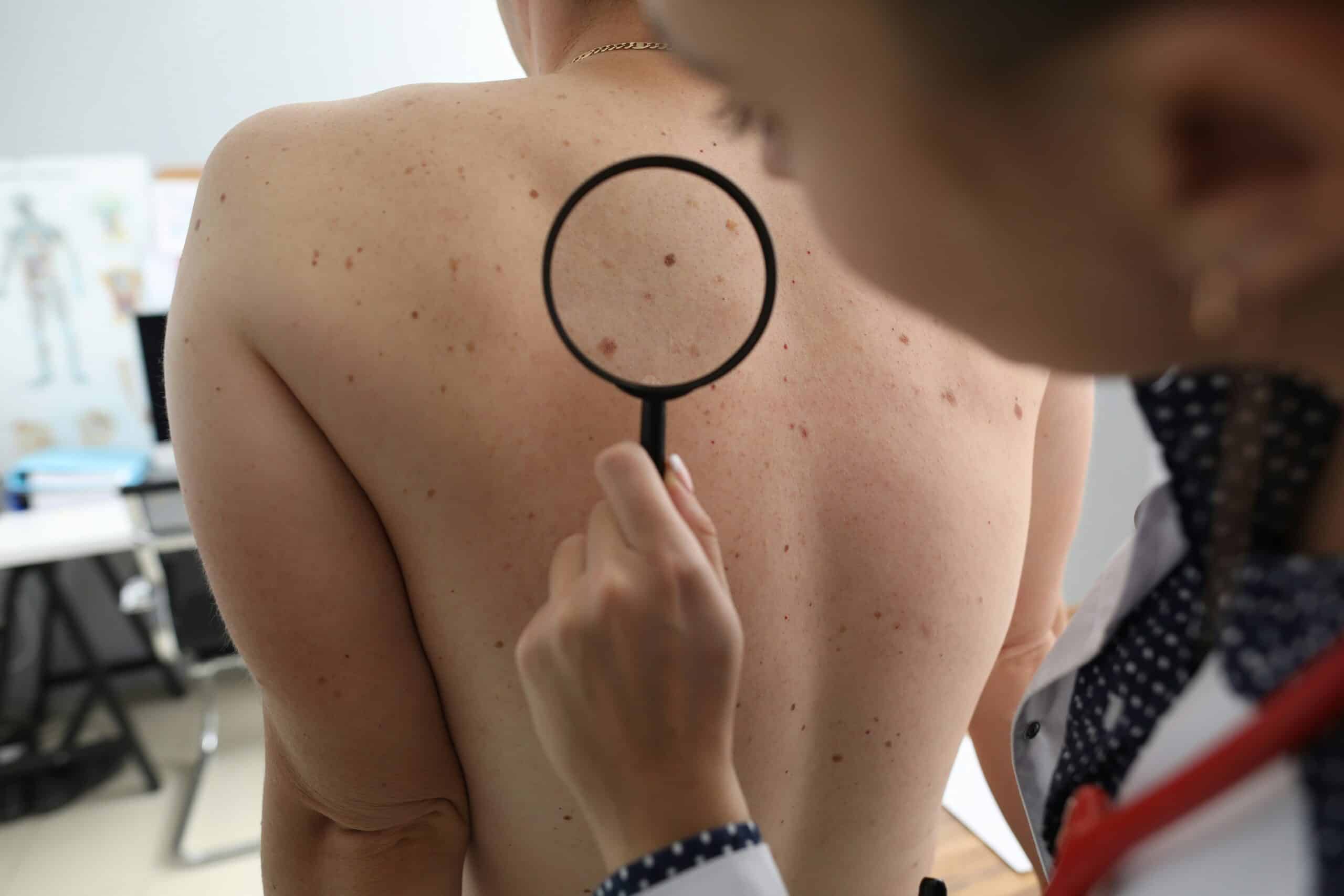
A skin cancer biopsy is a quick, in-office procedure in which a small piece of skin is removed from a mole, lesion, or other skin growth so that a pathologist can examine the cells in a laboratory to determine whether they are cancerous. This is a common procedure used by dermatologists and other skin cancer specialists to confirm the diagnosis of any skin condition.
A biopsy provides the only way to know for sure whether a lesion contains skin cancer. During the initial physical examination, a healthcare provider can detect features that suggest a particular skin lesion may be cancerous, but the only way to know for sure is to have a pathologist examine a small piece of skin under a microscope to confirm or rule out cancer. Once a specific diagnosis is reached, a proper treatment plan can be created to address the cancer, or the lesion can be monitored without treatment if the diagnosis is benign.
A skin biopsy can identify many different types of skin cancers, such as:
A biopsy can also detect some potentially dangerous precancerous growths, called actinic keratoses, that do not yet look like cancer. In some cases, a biopsy confirms that a skin condition is non-cancerous when it first appeared to be cancerous. Different types of skin cancer are treated with different procedures, so it is important to confirm which specific type of skin cancer is present or to identify any non-cancerous skin growths so that the right course of care can be provided.
You do not need to prepare in any special way for the procedure, except to make sure the clothing you wear on the day of your procedure is comfortable and easy to remove so your healthcare provider can reach the biopsy site. Do not apply any creams or lotions to the lesion, and keep the area clean. Be prepared to talk to your nurse practitioner about the medicines that you take so that she is able to determine whether you need to stop taking any medications, like aspirin, which can cause increased bleeding. Most medications do not need to be stopped prior to the procedure.
In the vast majority of skin cancer biopsies, only the area that is being biopsied is numbed before a small amount of skin is removed. This is called local anesthesia. You will remain fully awake during your procedure, and your motor functions will not be impaired in any way as a result of anesthesia. This means that you do not need anyone to take you home from the procedure or pick you up afterward to drive you home unless you are biopsying a lesion in an area of the body that would make driving physically uncomfortable. The doctor will discuss your particular situation and advise you accordingly.
The total appointment is about 15 to 30 minutes long. The biopsy takes only a few minutes after the anesthetic takes effect. At TBH Medical we are mindful of our patient's time, and we try to get you through the biopsy process as quickly as possible, however, we never rush.
The anesthetic injection will sting a bit, but the skin biopsy procedure should be painless.
There are three common skin biopsies:
A shave biopsy is where a razor-like blade is used to shave the top layer of the skin, while a punch biopsy takes a circular piece of skin deeper than just the top layer. Finally, an excisional biopsy uses a scalpel to completely remove a lesion, including a margin of healthy tissue around it.
Your nurse practitioner will choose the best biopsy method to evaluate each lesion based on its size, type, and location. For example, a small basal cell carcinoma, the most common form of skin cancer, is a raised lesion on the skin's surface, and a shave biopsy is sufficient. Melanoma, another form of cancer that usually appears on the skin's surface, is a different story. Melanomas grow deep, below the skin's surface. These lesions require a punch biopsy or excisional biopsy to determine if they are truly skin cancer.
Although a skin biopsy is a very safe procedure, there are potential complications: bleeding and bruising at the site, and rarely, infection at the site. We take extensive precautions when performing your skin cancer biopsy to ensure that the risk of complications is minimal.
Skin biopsies usually leave a small scar, but not every biopsy causes scarring. The resulting scar may be large or small, and more or less visible, depending on the biopsy performed, the location of the lesion on your body, and the way your body heals itself. The scar will often be pink or red initially and will fade with time.
Resource: https://www.mayoclinic.org/tests-procedures/skin-biopsy/about/pac-20384634
If you are bleeding at the biopsy site after you leave the office, apply direct pressure with gauze and a bandage for 15 to 20 minutes until the bleeding stops. Call TBH Medical if the bleeding does not stop, if the area becomes red or swollen, or if you experience fever, pus, or other signs of infection.
The healing time will depend on the size and depth of the biopsy, as well as where on the body the biopsy was performed. A shallow shave biopsy could heal within one to two weeks, and a deeper punch biopsy or excisional biopsy could take three to four weeks. Wounds on the lower legs generally take the longest to heal.
You can shower 24 hours after the biopsy and let the water run over the site, but try to avoid the shower stream directly contacting the area. You should not put the biopsy site in the bath, hot tub, pool, or any open body of water until it has completely closed over.
It usually takes about one to two weeks for the laboratory to process the tissue, make a diagnosis, and send a report back to our office. Our clinic is notified of your results as soon as we receive them, and our nurse practitioner will call you to review them.
The biopsy report will tell us whether the tissue sample was benign (non-cancerous), precancerous, or malignant. If the sample was malignant, the biopsy report will also specify what type of skin cancer it is and give us further information about the tumor, such as the tumor depth.
If your biopsy is positive for skin cancer, our nurse practitioner will go over your treatment plan with you. Often, early-stage skin cancers are curable with an in-office excision.
Depending on the type of skin cancer and the stage of your cancer, you might require further office excision to make sure that we remove all of the cancerous cells with clean margins. If a skin cancer is more invasive, such as invasive melanoma, you will be referred for additional tests and specialized treatment with a board-certified dermatologist, plastic surgeon, and/or oncologist.
As a Direct Primary Care practice, we do not bill health insurance for our office visits or the biopsy procedure. However, we can use your health insurance to pay for the outside laboratory for the pathology review. Health savings accounts (HSAs) and flexible spending accounts (FSAs) are also options for paying for health care services.
Skin cancer biopsies are included with your TBH Medical direct primary care membership at no extra cost. However, there may be third-party pathology laboratory charges.
Yes. Residents of Colorado Springs have a greater environmental risk of skin cancer because of the city's elevation. The elevation of Colorado Springs is more than 6,000 feet above sea level. Air above sea level is "thinner" than at sea level and absorbs less UV radiation from the sun. This makes UV radiation exposure more intense, increasing the risk of skin damage and skin cancer.
Colorado is subject to intense UV exposure, plenty of sunny days, and a dry environment. It is important to be diligent about sun protection, which includes using broad-spectrum sunscreen, covering up, and having skin checks.
For a direct primary care (DPC) provider, a biopsy is just one more medical appointment in the schedule. DPC members do not get rushed through appointments. Members have the opportunity to spend more time with the nurse practitioner. More time spent during the appointment means better communication, better education about a medical topic, and, in the case of a biopsy, a careful procedure performed with a steady hand.
Direct primary care provides immediate access. As a DPC member, a patient may have an appointment at the provider's office for a skin mole evaluation as soon as the mole is seen, not two to three months later. Early detection is key to successful treatment of skin cancer.